
Questions to clarity in minutes
Discover what's possible on any property with verified planning data, zoning by-laws, and local constraints all in one place.
No fragmented PDFs. No digging through documents. No guesswork.
Understanding a site shouldn't take days or even hours
Most of the time, the information you need already exists. It's just spread across planning portals, by‑law documents, policy layers, and mapping tools that aren’t designed to talk to each other.
- What is this site’s potential?
- What is the context of this property?
- What policies apply to this site?
- What risks are hidden in the data?
- How do overlapping regulations interact?








Built for all professionals shaping Canadian cities
Different roles face different challenges. Find out how Ratio.City fits into your workflow.
De-risk every site decision before you commit capital
Most site evaluations begin with more questions than answers. The constraints that matter most are often the hardest to find.
- Unclear zoning interpretations that slow decisions
- Due diligence cycles that take weeks and cost more than they should
- Hidden constraints discovered only after capital is committed
Validate what’s possible before you invest. Not after.
Move from policy interpretation to clear spatial understanding
Planning analysis often requires stitching together multiple policies, datasets, and mapping tools before a clear picture emerges.
- Time lost navigating fragmented policy documents
- Difficulty visualizing how regulations interact spatially
- Inconsistent interpretations across teams
Understand policies in context, not isolation.
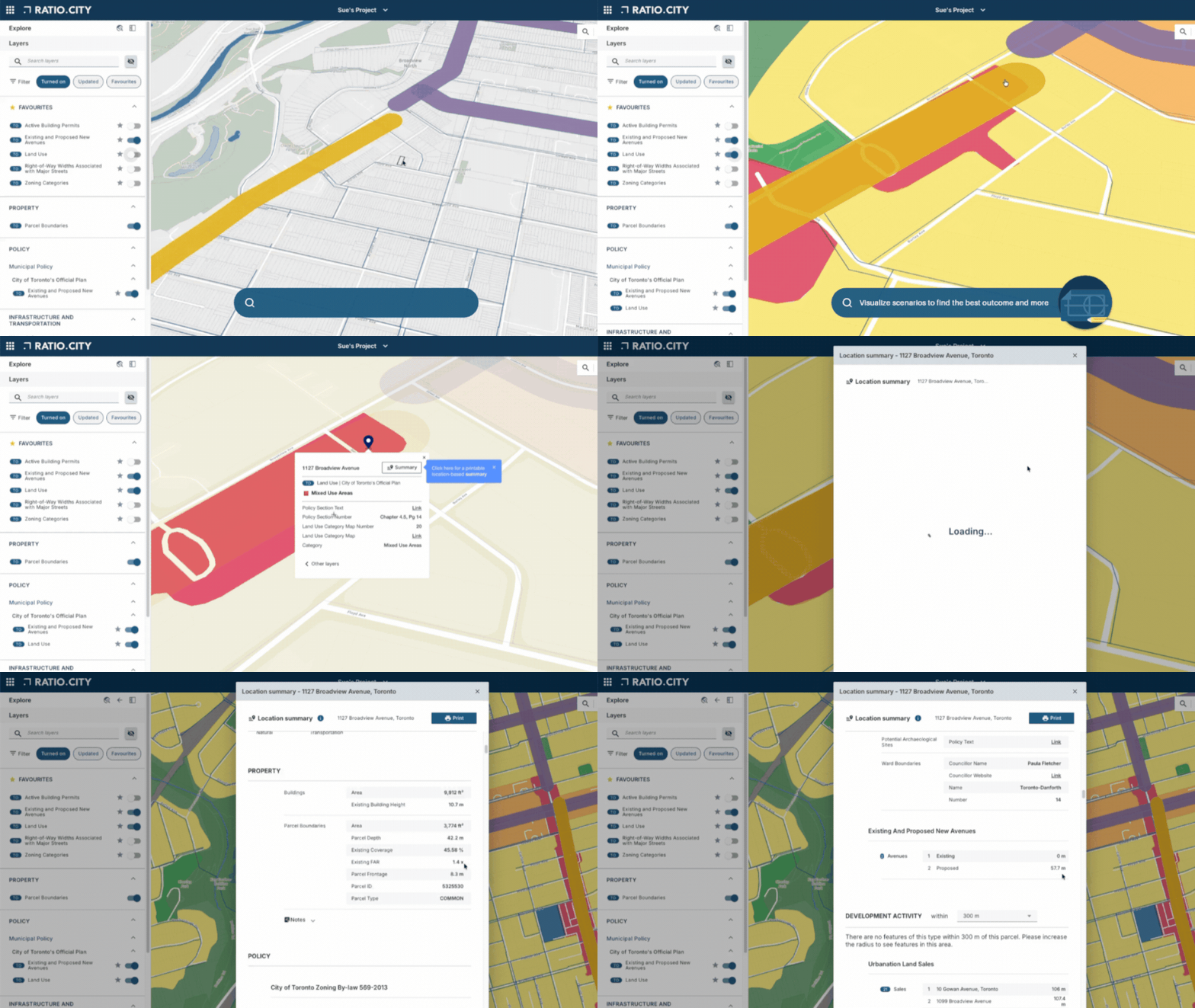
Design with constraints from the very beginning
Early-stage design decisions are often made without full visibility into planning constraints and regulatory limits.
- Missing key constraints during concept design
- Rework caused by late-stage discoveries
- Difficulty aligning design with zoning envelopes
Start with what’s possible, not what needs to be fixed later.
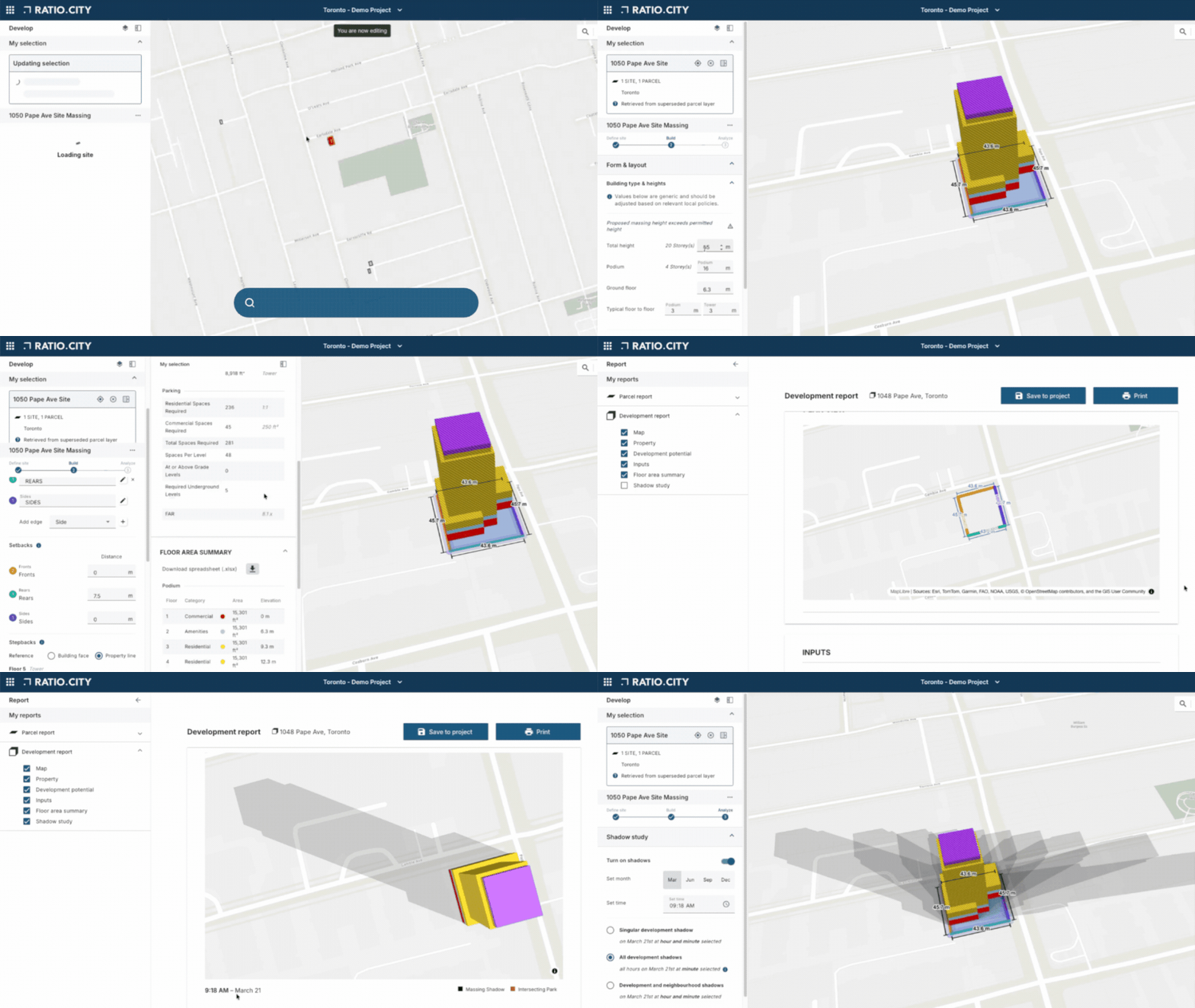
Ground legal analysis in verified planning data
Legal due diligence depends on accurate, up-to-date interpretations of planning policies and municipal regulations.
- Time-intensive review of fragmented regulatory documents
- Uncertainty around the latest applicable policies
- Difficulty validating assumptions across sources
Work from data that is traceable and defensible.
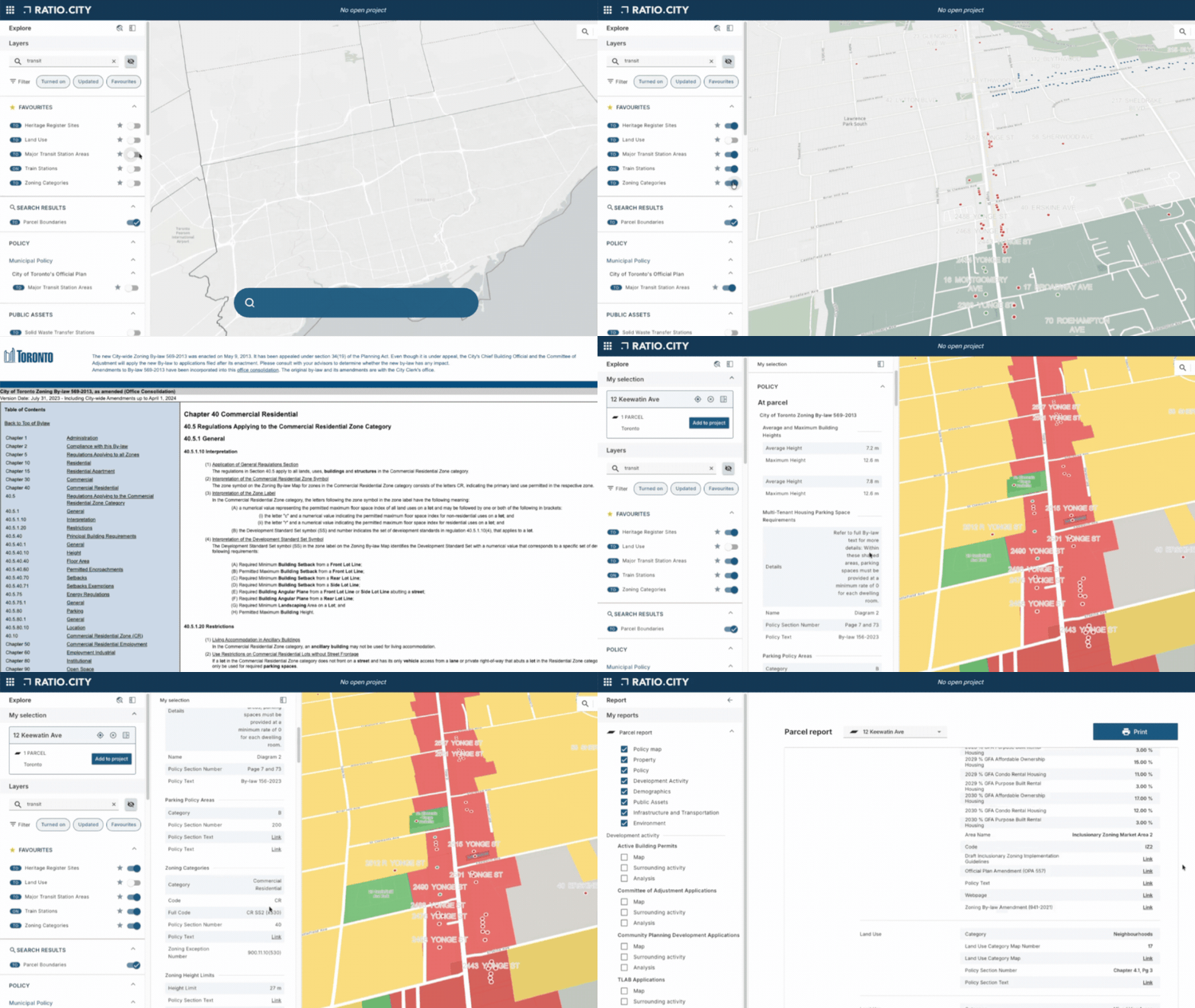
Improve transparency and alignment across stakeholders
Municipal teams need to communicate complex planning rules clearly across internal teams and external applicants.
- Challenges communicating policies to non-experts
- Inconsistent interpretation between stakeholders
- Manual effort required to gather and present data
Create shared understanding from a single source of truth.
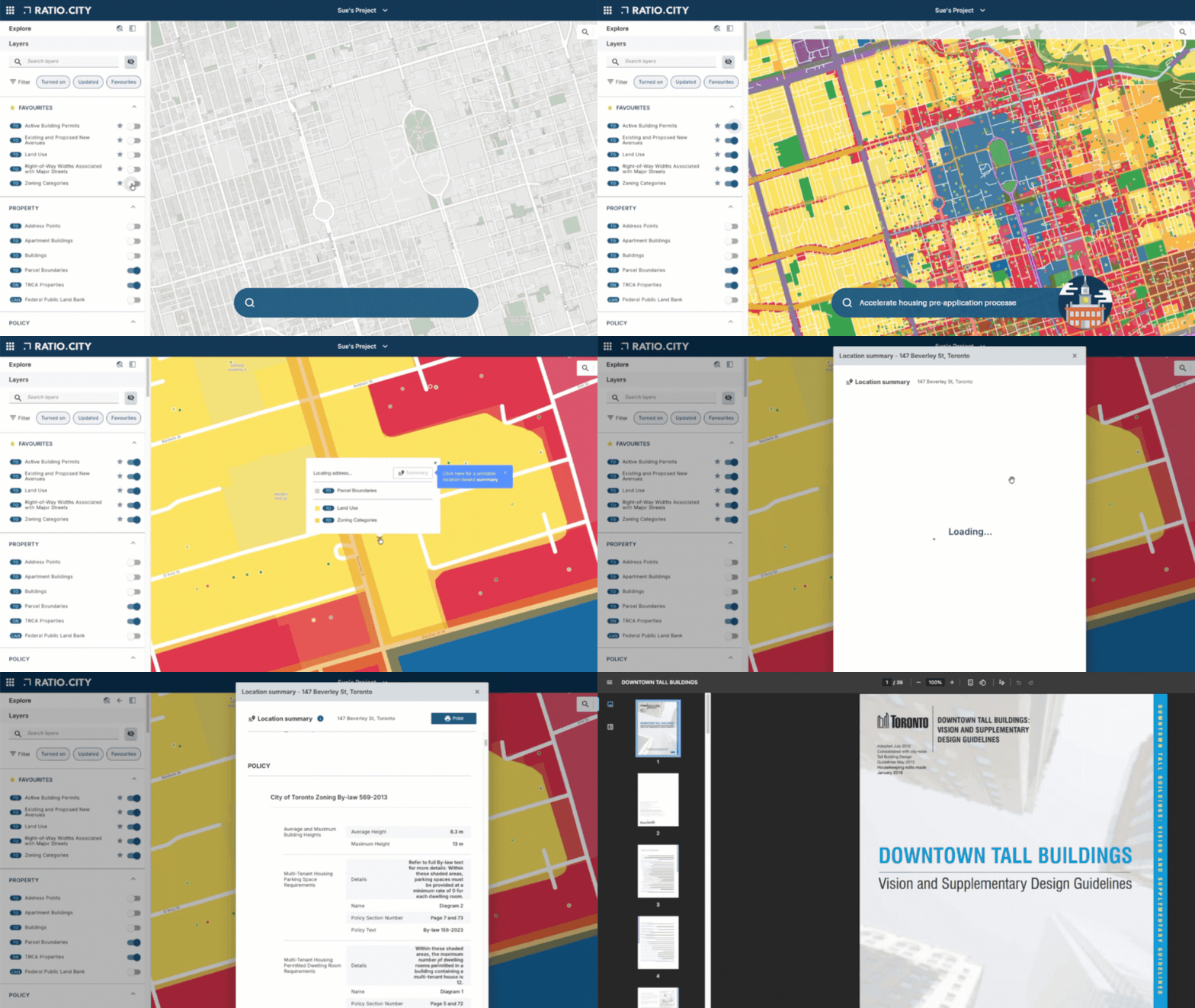
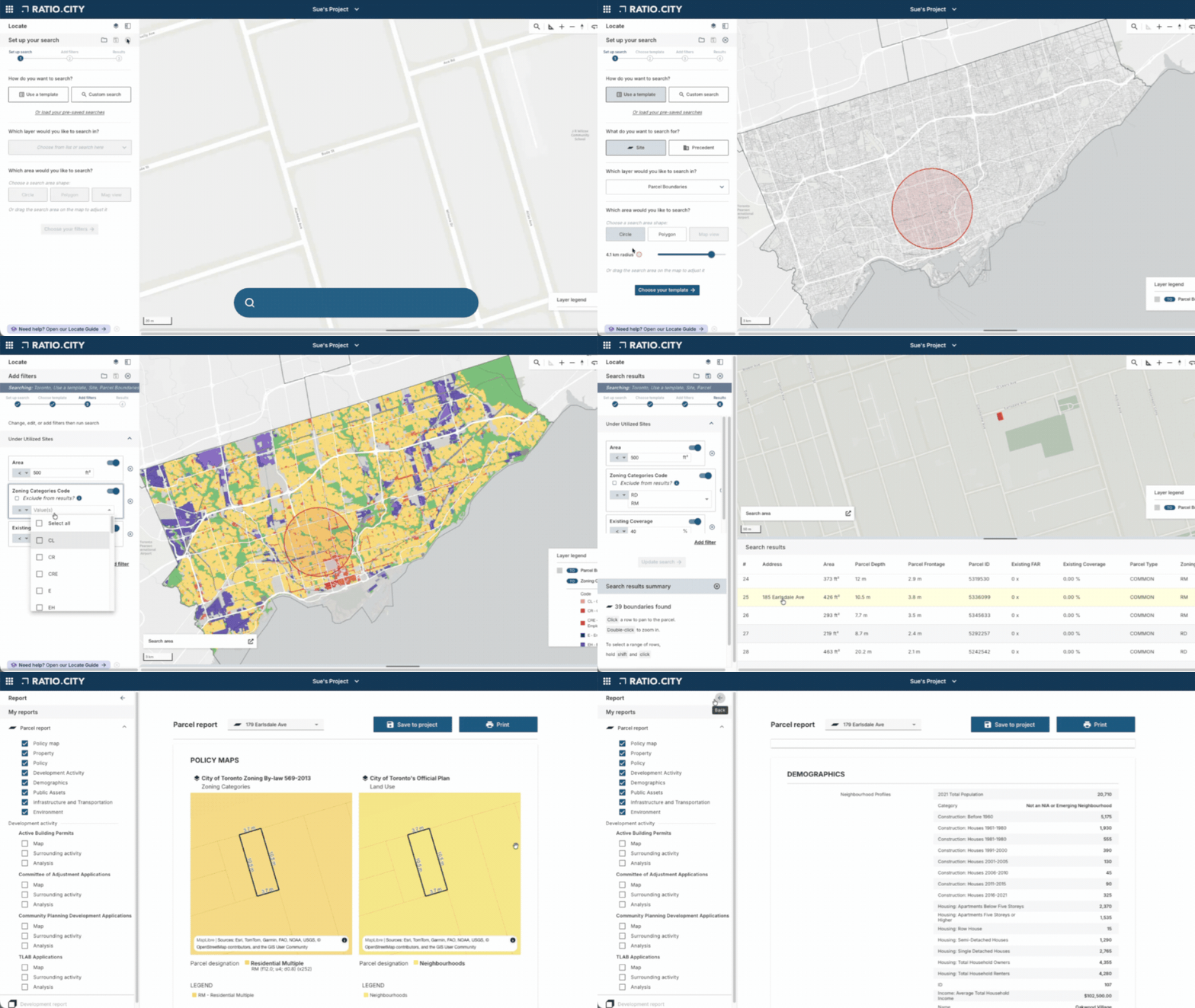
From data to decision, in four steps
A complete platform for site understanding
Built on real data. No assumptions.
All data is sourced, structured, traceable, and audited on a regular cadence.
AI can summarize information. It cannot replace verified planning data. Each layer on the Ratio.City platform is reviewed and linked to its source, whether municipal, provincial, federal, or partner.
Planning data across major Canadian markets
Compare zoning, policies, and development potential across cities without switching tools. We’ve aggregated planning data across major Canadian markets, with coverage growing every quarter.
Make your next site decision with confidence
No installation. No complex setup. Access the platform and start exploring in minutes.